
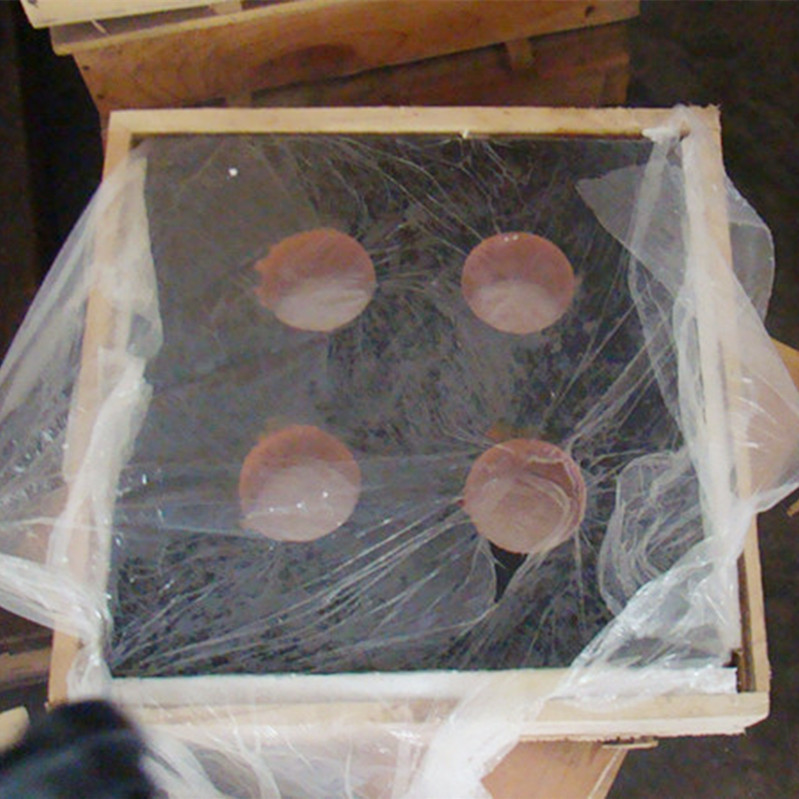
tempered glass sheet
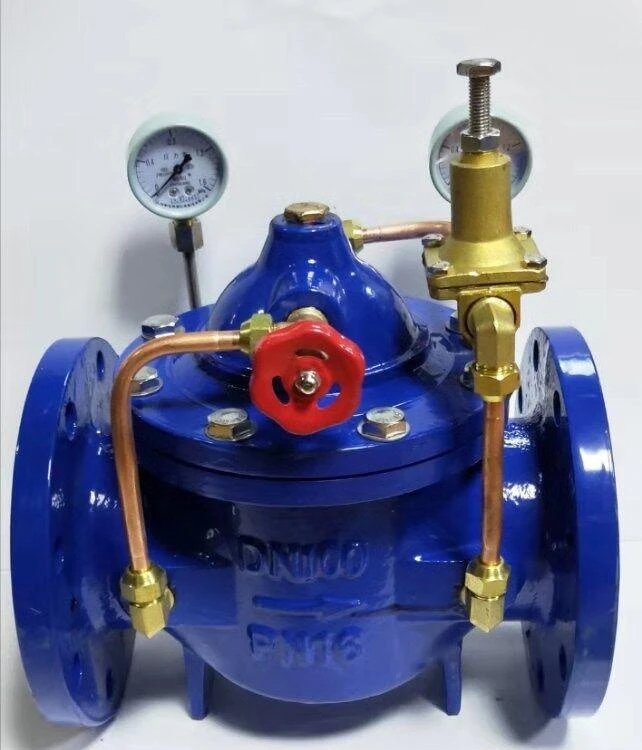
Understanding the Main Water Valve A Crucial Component of Your Plumbing System Water is often considered the lifeblood of any household, and managing its flow is essential for maintaining a functional living environment. Among the many components of a plumbing system, the main water valve stands out as a crucial fixture. This valve, typically located where the water line enters your home, serves as the primary control point for your water supply. Understanding the significance, functionality, and maintenance of your main water valve can empower homeowners to ensure the efficient operation of their plumbing systems. What is a Main Water Valve? The main water valve is a device that regulates the flow of water into your home. When fully open, it allows water to flow freely through the pipes, supplying all faucets, showers, and appliances. Conversely, when closed, it halts the water supply entirely, making it a critical component for emergency situations, such as leaks or plumbing repairs. Importance of the Main Water Valve The main water valve plays several vital roles in household plumbing 1. Leak Management In the event of a plumbing leak, the ability to shut off the main water valve quickly can prevent significant water damage. Many homeowners have experienced the costly consequences of undetected leaks, making this valve an essential tool for damage control. 2. Plumbing Repairs When performing maintenance or repairs on plumbing fixtures, the main water valve allows homeowners to stop water flow, ensuring safety and preventing further issues during the repair process . 3. Water Conservation During periods of prolonged absence, such as vacation, shutting off the main water valve can help conserve water and prevent potential leaks that could occur while the home is unoccupied. Types of Main Water Valves There are several types of main water valves, each with distinct mechanisms and advantages main water valve - Ball Valve Featuring a spherical disk that rotates to open or close the water flow, ball valves are durable and easy to operate. They are favored for their reliability and minimal resistance to water flow. - Gate Valve This type uses a gate-like mechanism to control water flow. While gate valves are excellent for completely shutting off water, they can be more susceptible to wear and may not provide the same level of control as ball valves. - Globe Valve With a disk that moves vertically against a flow path, globe valves are used for regulating water flow. While they are effective for controlling pressure, they may not be the best choice for a main water shutoff due to higher resistance. Maintenance of the Main Water Valve Regular maintenance of the main water valve is crucial for reliable operation. Here are a few tips 1. Regular Inspection Periodically check the valve for signs of corrosion, leaks, or wear. If you notice any issues, consider calling a professional plumber. 2. Exercise the Valve It is advisable to turn the valve off and on every few months. This action lubricates the mechanisms and helps prevent it from seizing. 3. Know Its Location Ensure all household members are aware of the main water valve's location. In an emergency, knowing how to quickly shut off the water can save time and prevent damage. Conclusion The main water valve is a pivotal element of any plumbing system, serving as the gateway to managing water flow in your home. Understanding its function, types, and maintenance can empower homeowners to take control of their water supply and prevent potential plumbing disasters. By fostering a proactive approach toward this essential fixture, you not only ensure the safety and efficiency of your home’s plumbing but also contribute to a more water-conscious lifestyle. Whether you are troubleshooting a leak or preparing for a renovation, always keep your main water valve in mind—your home’s water flow depends on it.
about
tempered glass sheet
The Importance of Plastic Rebar Safety Caps with Steel Reinforcement In the construction industry, safety is paramount. One of the often-overlooked aspects of construction safety is the proper management of exposed rebar. Reinforcing bars, or rebar, are critical components that provide tensile strength to concrete structures. However, if left exposed, they can pose severe hazards to workers and bystanders. Traditional safety caps, often made from various materials, have been used to mitigate these risks. Recently, the introduction of plastic rebar safety caps reinforced with steel has emerged as a promising solution. Understanding Rebar Hazards Rebar is typically used to strengthen concrete in various structures, including bridges, buildings, and roads. When rebar is left protruding from a concrete slab or wall, it becomes a dangerous liability. Accidental contact with exposed rebar can lead to severe injuries, such as lacerations or impalement. In the hustle and bustle of a construction site, workers may inadvertently stumble upon these hazards, making safety caps an essential component of site safety management. The Innovation Behind Plastic Rebar Safety Caps Plastic safety caps are designed to cover the ends of exposed rebar, preventing accidental injuries. What sets plastic rebar safety caps with steel reinforcement apart is their enhanced durability and protective capability. The plastic part serves to cover the sharp edges of the rebar, while the steel reinforcement provides added strength, making it less likely to be damaged by environmental factors or wear and tear. The combination of plastic and steel results in a lightweight yet robust safety cap that effectively absorbs impacts and minimizes the risk of penetration injuries. The plastic exterior is also UV-resistant, ensuring it retains its effectiveness under harsh sunlight, an important feature given the outdoor nature of most construction projects. Advantages of Using Plastic Rebar Safety Caps with Steel Reinforcement plastic rebar safety cap with steel 1. Safety The primary advantage is enhanced worker safety. With the added steel reinforcement, these caps can withstand significant impact forces, reducing the likelihood of injury. 2. Durability Traditional plastic caps can often chip or break under pressure. The inclusion of steel makes these caps far more resilient, which reduces the need for frequent replacements and thus lowers overall costs. 3. Visibility Many manufacturers incorporate bright colors into their plastic safety caps, enhancing visibility on a construction site. This increased visibility serves as a reminder for workers to stay vigilant around rebar areas. 4. Easy Installation These caps are designed for quick and easy installation, allowing workers to secure exposed rebar effectively without wasting significant time or requiring extensive training. 5. Cost-Effectiveness Although they may have a higher initial cost than standard plastic caps, the durability and extended lifespan of plastic rebar safety caps with steel reinforcement make them a cost-effective choice in the long run. Conclusion As the construction industry continues to evolve, so too must the safety measures employed on-site. Plastic rebar safety caps with steel reinforcement represent an innovative solution to a longstanding issue in construction safety. By effectively mitigating the hazards associated with exposed rebar, these caps not only protect workers but also promote a culture of safety within the industry. Adopting such advancements in safety equipment is not just a best practice; it is a responsibility that every construction firm must prioritize to safeguard the well-being of its workforce and the general public. Investing in safety today ensures a safer tomorrow for all involved in the construction process.
-

High quality industrial productsagement

High quality industrial products
View Details -

Meet the diverse needs of customers

Meet the diverse needs of customers
View Details -

Strict quality control

Strict quality control
View Details -

Top raw materials

Top raw materials
View Details -

Trusted supplier

Trusted supplier
View Details
Our application

news and information
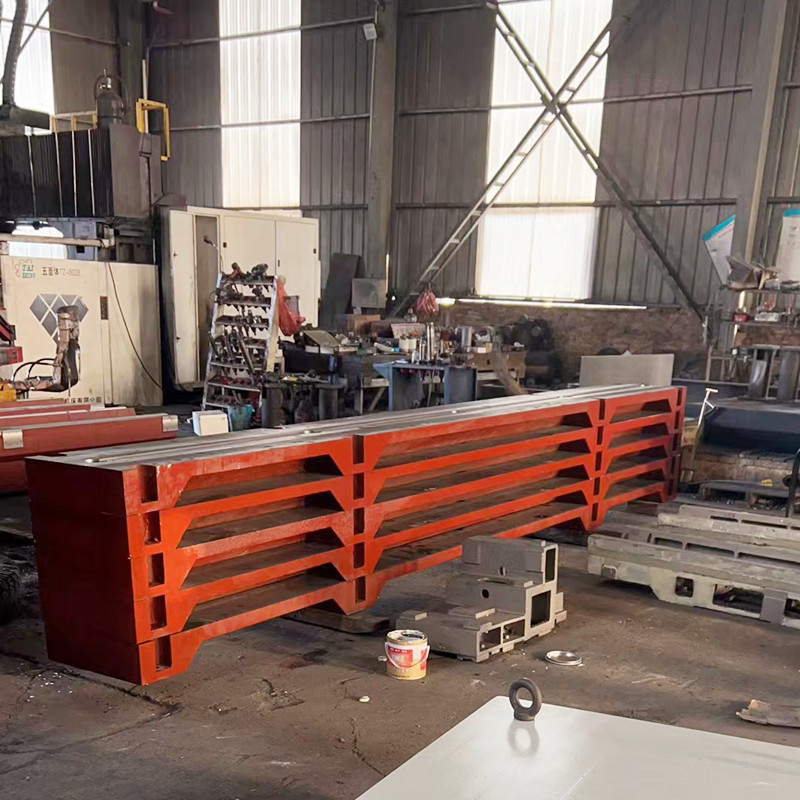
Versatile 3x6 Fabrication Table Designed for Welding Projects and Metalworking Applications
The Versatility and Importance of a 3x6 Welding Table Welding is a critical skill in various industr

Using a Measuring Stick and Level for Accurate Marking
marking ruler with spirit level .
Versatile 5 8% Welding Table Clamps for Precision Metalworking and Fabrication
The Importance of 5% and 208% Welding Table Clamps in Modern Fabrication In the world of metal fabri
 English